
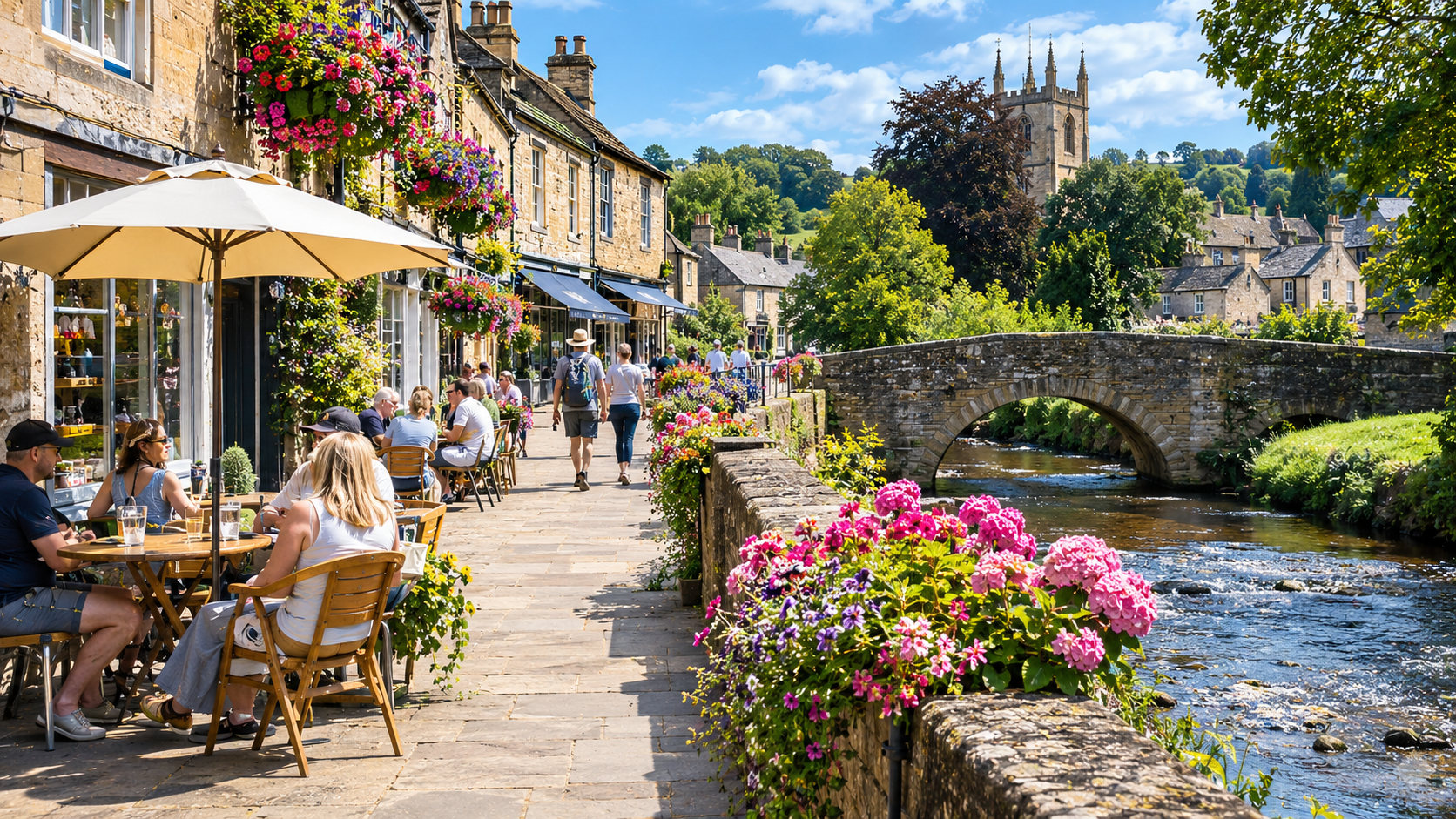
You don’t need a famous landmark, a huge tourism budget or thousands of social media followers to attract visitors to your town or village.
Some of the most memorable places to visit are small destinations with independent shops, local cafés, beautiful countryside, interesting history and a strong sense of community. The challenge is making sure people know these places exist and giving them a reason to visit.
For smaller destinations, tourism marketing doesn’t have to mean expensive advertising campaigns. A combination of search engine optimisation (SEO), social media, local partnerships, events and word-of-mouth recommendations can make a real difference.
Whether you’re part of a town council, a village association, a local tourism group or a business hoping to attract more visitors, there are practical steps you can take to put your destination on the map.
In this guide, we’ll explore how to increase tourism in a small town or village, build awareness of your destination and encourage visitors to return and recommend it to others.
1. Understand what makes your town or village worth visiting
Before thinking about Google rankings, Instagram posts or advertising, start with a simple question: Why would someone choose to visit your town or village?
You might be so familiar with your local area that you overlook the things visitors would find interesting.
Perhaps your village has a historic church, a beautiful walking route and a traditional pub. Maybe your town has independent shops, an excellent food market or a fascinating industrial history.
These experiences might seem ordinary to residents, but they can be exactly what someone from a nearby city is looking for.
Start by identifying your destination’s strongest attractions:
- History and heritage: Historic buildings, local stories, architecture and museums.
- Food and drink: Independent cafés, traditional pubs, restaurants, farm shops and markets.
- Nature and outdoor activities: Walking routes, cycling trails, parks, rivers and countryside.
- Arts and culture: Galleries, independent shops, performances and creative communities.
- Events: Festivals, markets, seasonal celebrations and community activities.
You don’t need to offer everything. In fact, smaller destinations often benefit from focusing on a few distinctive experiences.
A village surrounded by countryside could position itself as the perfect starting point for a weekend walking adventure. A market town with independent shops and cafés might appeal to visitors looking for a relaxed day out.
The goal isn’t to make your destination sound like somewhere else. It’s to help people understand what makes it special.
Think about who is most likely to visit
Different visitors are attracted by different experiences.
A family living 30 minutes away might be interested in a weekend activity, while a couple planning a short break may be looking for accommodation, restaurants and places to explore.
Think about the audiences your destination can realistically attract.
For many smaller towns and villages, nearby residents and domestic day-trippers are a sensible starting point. They’re often easier to reach than international tourists and may be more likely to visit repeatedly.
Once you understand who you’re trying to attract, you can create content and campaigns that speak directly to their interests.
2. Make your town or village easier to find on Google
When someone wants to plan a day out, one of their first steps is often searching online.
They might search for “pretty villages near Manchester”, “best market towns in Yorkshire” or “things to do near the Peak District”.
If your destination doesn’t appear in relevant search results, you could be missing opportunities to attract visitors who are already interested in what your area offers.
This is where search engine optimisation (SEO) becomes important.
SEO is the process of improving your website and online content so that search engines can understand it and show it to people making relevant searches.
Find the searches your potential visitors are making
You don’t need expensive software to begin researching tourism keywords.
Start by typing relevant phrases into Google and looking at autocomplete suggestions and related searches.
For example, a village near a national park might identify searches such as:
- Villages to visit near the Peak District.
- Best walks near [village name].
- Places to eat near [local attraction].
- Things to do in [town name].
- Weekend breaks in [region].
- Family days out near [location].
These searches reveal what people want to know before deciding where to visit.
Instead of creating content purely about your destination’s history, consider producing pages that answer these practical questions.
Create useful destination content
If your town or village has a website, make sure it includes information visitors are genuinely looking for.
Useful pages might include:
Things to do: A guide to local attractions, independent businesses and experiences.
Walking and cycling routes: Suggested routes with distances, difficulty levels and practical information.
Where to eat: A guide to cafés, restaurants, pubs and local food experiences.
Events: An up-to-date calendar of festivals, markets and community activities.
Plan your visit: Information about parking, public transport, accessibility and accommodation.
You could also publish articles such as “How to Spend a Day in [Town Name]” or “Five Reasons to Visit [Village Name] This Autumn”.
These pages give search engines more opportunities to understand what your destination offers while helping potential visitors plan their trip.
Don’t forget the basics
Your website should work well on mobile phones, load quickly and have clear navigation.
Use descriptive page titles, helpful headings and original photographs. Link between relevant pages so visitors can easily discover more experiences.
If your destination doesn’t have its own website, you can still improve its online presence by working with regional tourism organisations and local businesses to ensure accurate information is published on their websites.
The important thing is to make your destination easy to discover and easy to understand.
3. Improve visibility on Google Maps and local listings
Google Search isn’t the only way people discover places.
Google Maps plays an important role when visitors look for attractions, restaurants, shops and things to do nearby.
Someone already visiting a neighbouring town might search for “cafés near me”, “historic attractions nearby” or “places to visit this afternoon”.
These searches create opportunities for local businesses and attractions to introduce people to your destination.
Help local businesses improve their listings
Encourage eligible businesses and attractions to maintain accurate Google Business Profiles.
They should include:
- Correct opening hours and contact details.
- Relevant business categories.
- High-quality photographs.
- Accurate website links.
- Accessibility and visitor information.
- Responses to genuine customer reviews.
A town or village itself generally isn’t eligible for a Google Business Profile simply because it is a destination. Focus instead on legitimate businesses, visitor centres and attractions that meet Google’s eligibility requirements.
You can also help ensure public places and landmarks are correctly represented on mapping services.
Make the whole destination easier to explore
Imagine someone finds a café in your village through Google Maps.
After visiting, they discover a nearby walking trail, a historic building and a local farm shop.
What started as a quick coffee stop could become an entire afternoon exploring the area.
This is why local businesses should see themselves as part of a wider visitor experience.
A simple printed map, a shared visitor guide or a few recommendations from café staff can encourage people to discover more of the destination.
4. Use social media to inspire people to visit
Social media gives smaller towns and villages an opportunity to reach people beyond their immediate community.
Platforms such as Instagram, Facebook and TikTok allow you to showcase your destination without needing a large advertising budget.
The most effective content often isn’t highly polished promotional material. It’s authentic content that captures what makes a place enjoyable.
A short video of a countryside walk, a busy market square or a local food festival can help someone imagine spending a day there.
Show experiences, not just locations
Instead of posting a photograph with the caption “Visit our village”, give people a reason to explore.
For example:
“Three things to do in our village this weekend”
Show a local café, a scenic walking route and an independent shop.
“The perfect Sunday afternoon in [Town Name]”
Create a short itinerary featuring lunch, a local attraction and an afternoon walk.
“A hidden gem just 30 minutes from [Nearby City]”
Introduce your destination to people who may not realise how close it is.
This type of content is useful because it turns an unfamiliar place into an experience someone can imagine enjoying.
Choose the right social media platforms
You don’t need to be active everywhere.
Instagram can be useful for photography, short videos and travel inspiration.
Facebook may be particularly valuable for community events, local groups and reaching people interested in nearby activities.
TikTok can help introduce destinations to new audiences through engaging, short-form video content.
Choose platforms based on your target visitors and the time available to create content consistently.
One well-managed account publishing genuinely useful content is better than several inactive profiles.
Make sharing easy
Tag local businesses, use relevant location information and encourage visitors to share their photographs.
You can also collaborate with local residents who enjoy photography or creating videos.
The goal is to build an ongoing collection of content that helps people discover your destination and gives them reasons to visit throughout the year.
5. Turn local residents into your biggest tourism advocates
One of the most valuable marketing channels for a small town or village is something that doesn’t require an advertising budget: word of mouth.
People trust recommendations from friends, family and colleagues when deciding where to spend their free time.
A recommendation such as “We went to this lovely village last weekend, you should visit” can be more persuasive than a traditional advert.
Local residents can play an important role in generating these recommendations.
Encourage residents to share what they love
Residents often know the best walking routes, independent cafés, hidden viewpoints and interesting local stories.
Invite them to share their favourite places through community social media pages, local newsletters or a destination website.
You could run a simple campaign asking:
“What is your favourite thing about living here?”
Turn the responses into a series of social media posts or a local recommendations guide.
This approach creates authentic content while giving residents a sense of involvement in promoting their community.
Make local businesses part of the conversation
A pub owner might recommend a nearby walking trail. A shop assistant could suggest a local museum. A hotel might provide guests with a guide to independent restaurants.
These small interactions can influence how visitors experience the destination.
Encourage businesses to recommend one another rather than focusing exclusively on their own services.
When visitors have a positive experience across several businesses, they’re more likely to remember the destination as a whole.
Give visitors something worth talking about
Word-of-mouth marketing works best when people have a memorable experience.
This doesn’t necessarily require a major attraction.
It could be an excellent local food market, a beautifully maintained walking route, a friendly welcome or an unusual community event.
The most sustainable way to encourage recommendations is to make the destination genuinely enjoyable to visit.
6. Bring local businesses together to promote your destination
Smaller towns and villages often have limited marketing resources, but they also have an advantage: local businesses can collaborate relatively easily.
Instead of each organisation promoting itself independently, consider how businesses could work together to attract visitors.
For example, a café, a bookshop and a local heritage attraction could create a shared “Perfect Day Out” guide.
Each business could promote the guide through its website, social media and customer communications.
This gives visitors a more complete reason to travel to the destination.
Create simple collaborative campaigns
Partnerships don’t have to be complicated.
You could organise:
- A shared seasonal visitor guide.
- A weekend food and drink trail.
- A town-wide shopping event.
- A walking route featuring local cafés and attractions.
- A joint social media campaign.
- A collection of recommendations from independent businesses.
A market town might create an “Independent Saturday” campaign encouraging visitors to explore local shops, restaurants and attractions.
Participating businesses could share the same campaign materials and promote one another.
This helps extend the campaign’s reach without requiring every business to invest heavily in advertising.
Build a shared online presence
Consider creating a simple destination website or community visitor page.
It could feature upcoming events, things to do, places to eat and suggested itineraries.
Local businesses can then link to the page from their own websites, helping visitors discover the wider destination.
A shared online presence can also make it easier for regional tourism organisations to promote your town or village.
7. Use local events to give people a reason to visit
Sometimes people need a specific reason to travel somewhere new.
Events can provide that motivation.
A food festival, Christmas market, summer fair or cultural celebration can attract people who might not otherwise have considered visiting your town or village.
Importantly, events can also encourage visitors to explore local businesses before and after the main activity.
Think beyond large festivals
You don’t need to organise a major event to attract visitors.
Smaller activities can be equally relevant to the right audience.
Consider:
- Monthly farmers’ markets.
- Independent shopping weekends.
- Guided heritage walks.
- Local food and drink festivals.
- Open garden weekends.
- Arts and craft trails.
- Seasonal celebrations.
- Community music performances.
A series of smaller events throughout the year can create more consistent reasons to visit than relying on one annual festival.
Promote events before people start making plans
Give yourself enough time to build awareness.
Create an event page with dates, times, location, transport information and details of what visitors can expect.
Share the event through local Facebook groups, community newsletters, tourism websites and participating businesses.
If appropriate, contact regional publications and event listing websites.
After the event, share photographs and highlights to build interest in future editions.
Over time, a successful recurring event can become something people associate with your destination.
8. Encourage visitors to share photographs and reviews
Visitors who enjoy their experience can help introduce your destination to new audiences.
A photograph shared on Instagram, a positive review of a local attraction or a recommendation in a community Facebook group can influence future visitors.
This is often called user-generated content: photographs, videos, reviews and recommendations created by visitors rather than the destination itself.
Create opportunities for sharing
Think about what people naturally want to photograph.
It could be a scenic viewpoint, an attractive market square, a colourful shopfront or a seasonal display.
Make sure these locations are easy to find and enjoyable to visit.
You could encourage visitors to tag your destination’s social media account or use a consistent local hashtag.
When someone shares a photograph, consider asking permission to feature it on your own channels.
Always credit creators appropriately and obtain permission before reusing their content.
Encourage genuine reviews
Reviews are particularly important for individual attractions, restaurants, accommodation providers and other local businesses.
Encourage businesses to ask visitors for honest feedback through appropriate review platforms.
Don’t offer incentives in exchange for positive reviews or attempt to manipulate ratings.
Authentic reviews are more valuable because they help future visitors make informed decisions.
9. Work with regional tourism organisations and travel creators
Your town or village doesn’t need to build its entire audience from scratch.
Regional tourism organisations, travel publications and local content creators may already reach people interested in visiting your area.
Working with them can help introduce your destination to relevant audiences.
Connect with existing tourism networks
Contact your regional destination management organisation, tourism partnership or visitor information service.
Find out whether your town or village can be included in destination guides, walking itineraries, seasonal campaigns or event listings.
Make it easy for partners to feature your destination by providing accurate visitor information and high-quality photography.
Consider smaller travel creators
You don’t necessarily need a celebrity influencer.
A local creator who regularly shares countryside walks, independent cafés or family days out may be more relevant to your audience.
For example, a creator specialising in weekend activities around Greater Manchester could be a useful partner for a nearby village hoping to attract day-trippers.
Focus on audience relevance, content quality and genuine engagement rather than follower numbers alone.
If you provide payment, free accommodation or other benefits in exchange for promotional content, ensure the arrangement is clearly disclosed in line with applicable advertising rules.
10. Make visiting your town or village easy
Attracting attention is only half the challenge.
Once someone becomes interested in visiting, they need to understand how to get there and what they can do when they arrive.
Unclear information can discourage a potential visitor, particularly if they’re unfamiliar with the area.
Answer practical questions
Make sure your website or visitor information page explains:
- How to reach the destination by car or public transport.
- Where visitors can park.
- Whether attractions are open on weekends.
- Where to find public toilets.
- Which walking routes are accessible.
- Where visitors can eat and stay.
- What to do in bad weather.
- Whether attractions require advance booking.
For villages with limited public transport, this information is particularly important.
Create ready-made itineraries
One of the simplest ways to encourage people to visit is to show them exactly how to spend their time.
For example:
A perfect afternoon in [Village Name]
Start with coffee at an independent café, explore the historic village centre, enjoy a short countryside walk and finish with lunch at a traditional pub.
You could create different itineraries for families, couples, walkers and visitors interested in history.
This makes trip planning easier and encourages people to explore more local businesses.
11. Promote your destination throughout the year
Tourism isn’t only about summer holidays.
Smaller towns and villages can benefit from promoting different experiences throughout the year.
Spring might be ideal for countryside walks and gardens. Summer could focus on festivals and outdoor activities. Autumn might highlight scenic landscapes, while winter could feature Christmas markets and cosy pubs.
Build a seasonal content calendar
Plan your website content and social media activity around the experiences visitors can enjoy in each season.
For example:
Spring: Walking routes, gardens, outdoor cafés and Easter activities.
Summer: Markets, festivals, family activities and countryside experiences.
Autumn: Scenic walks, local food, heritage attractions and weekend breaks.
Winter: Christmas events, independent shopping, restaurants and indoor attractions.
Publish seasonal guides early enough for search engines to discover them and for visitors to plan ahead.
You can update successful articles each year rather than starting from scratch.
A guide to “Things to Do in [Town Name] at Christmas” could become a valuable recurring source of website traffic if it is maintained and updated with accurate information.
12. Measure whether your tourism marketing is working
You don’t need a complicated analytics setup to understand whether your efforts are making a difference.
Start by identifying what success looks like.
Are you trying to attract more day-trippers? Increase attendance at local events? Encourage visitors to stay overnight? Generate more footfall for independent businesses?
The answer will influence which results you should measure.
Monitor your online visibility
If you have a website, Google Search Console can show which searches bring people to your pages.
Google Analytics can help you understand how visitors use the website and which content attracts engagement.
For social media, look beyond follower counts.
Pay attention to whether people are sharing your posts, saving recommendations, asking questions or clicking through to visitor information.
Ask local businesses for feedback
Tourism marketing should ultimately benefit the destination, not just its online accounts.
Speak with local cafés, shops, accommodation providers and attractions.
Have they noticed more visitors during particular events? Are customers mentioning social media posts or recommendations? Are people travelling from neighbouring towns?
These conversations can provide useful insights, although they won’t prove that marketing alone caused any increase.
Focus on sustainable tourism
More visitors aren’t always better if the destination cannot comfortably accommodate them.
Consider parking capacity, public transport, environmental impact and the needs of residents.
Encourage responsible behaviour and promote less busy periods or alternative routes where appropriate.
A successful tourism strategy should support local businesses while protecting the character and quality of life that make the destination attractive.
How to get started: A simple 90-day tourism marketing plan
If your town or village has never had a coordinated marketing strategy, you don’t need to implement everything immediately.
Start with a manageable plan.
Days 1–30: Build the foundations
Identify your strongest visitor experiences and the audiences you want to attract.
Review what appears when people search for your destination on Google.
Check that local attractions and businesses have accurate online information.
Create or update a central visitor information page and speak with local businesses about working together.
Days 31–60: Start promoting your destination
Publish useful content about things to do, walking routes and local experiences.
Create a simple social media calendar and begin sharing photographs, short videos and visitor recommendations.
Invite local businesses and residents to contribute content.
Contact regional tourism organisations about opportunities to feature your destination.
Days 61–90: Build momentum
Promote an upcoming event or seasonal attraction.
Create a collaborative campaign with local businesses.
Review your website and social media performance to identify which content attracts interest.
Ask businesses and visitors for feedback, then use what you learn to plan the next three months.
The goal isn’t to transform your town into a major tourist destination overnight.
It’s to build a consistent approach that helps more people discover what makes your community worth visiting.
Frequently asked questions
How can a small town attract more tourists?
A small town can attract more tourists by promoting its unique attractions, improving its visibility on Google, sharing engaging social media content and working with local businesses. Events, visitor itineraries and positive word-of-mouth recommendations can also encourage people to visit.
How do you promote a village to tourists?
Start by identifying the experiences that make the village distinctive, such as countryside walks, historic buildings or local food. Create useful online visitor information, promote experiences through social media and collaborate with nearby attractions and regional tourism organisations.
What is the cheapest way to promote a tourist destination?
SEO, organic social media, local partnerships and word-of-mouth marketing can be relatively low-cost ways to promote a destination. However, they still require time and coordination. Focus on creating genuinely useful visitor content and encouraging local businesses to share it.
How can social media increase tourism?
Social media helps potential visitors discover destinations through photographs, videos, recommendations and local stories. Content showing what someone could experience during a visit can inspire trip planning, particularly when it includes practical information about attractions and activities.
How can local businesses help increase tourism?
Local businesses can collaborate on visitor guides, promote events, recommend one another and share destination content through their own marketing channels. Working together helps create a more complete visitor experience and can encourage tourists to spend more time exploring the area.
How long does tourism SEO take to work?
SEO is a long-term activity, and results vary depending on competition, website quality and existing visibility. Some improvements may be noticed relatively quickly, while building consistent organic search traffic can take several months or longer. Regularly updating useful content and improving the visitor experience are important parts of the process.
Final thoughts: Small destinations can make a big impression
Attracting more tourists to your town or village doesn’t necessarily require a large marketing budget or a professional tourism department.
Often, the biggest opportunities come from making better use of what already exists.
A beautiful walking route, a welcoming café, an interesting local story or a community festival can all become reasons for someone to visit.
SEO helps people discover those experiences when they’re searching online. Social media helps bring them to life. Local businesses and residents can spread the word, while positive visitor experiences encourage people to recommend the destination to others.
The most effective approach combines these activities rather than treating them as separate marketing channels.
Make your destination easy to find, give people a reason to visit and create experiences they’ll want to share.
For towns and villages willing to work together, these simple principles can help build awareness, attract new visitors and support a stronger local visitor economy.
If you’re looking for more ideas, read our guide on how to market a city and attract more tourists to explore additional destination marketing strategies.