
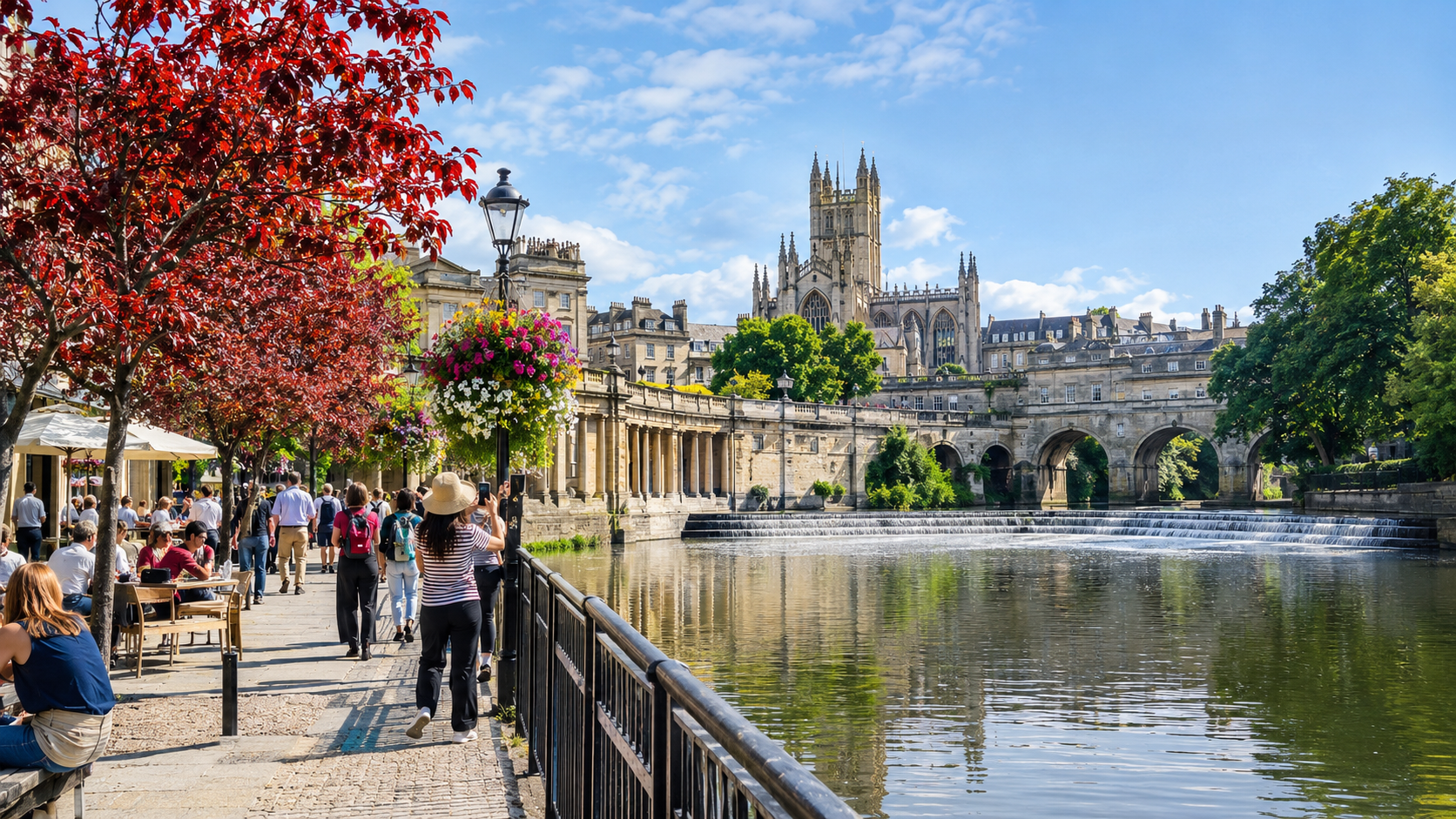
Every city has something worth discovering. Whether it’s historic architecture, a thriving food scene, cultural attractions or local festivals, the challenge is getting potential visitors to notice it.
With so many destinations competing for attention, simply having great attractions isn’t enough. Cities need a marketing strategy that inspires people to visit, helps them plan their trip and gives them a reason to choose one destination over another.
Marketing a city successfully means combining destination branding, search engine optimisation (SEO), digital advertising, social media, local partnerships and memorable visitor experiences.
In this guide, we’ll explore 12 practical city marketing strategies that tourism boards, local authorities and destination marketing organisations can use to attract more tourists and grow their visitor economy.
What is city marketing?
City marketing is the process of promoting a city to attract visitors, businesses, investment and new residents.
When the objective is to increase tourism, city marketing focuses on positioning a destination as an attractive place to visit and encouraging potential tourists to explore its attractions, accommodation, restaurants and experiences.
This is closely related to destination marketing, which promotes a location as a whole rather than an individual business.
For example, a hotel might advertise its rooms, while a city tourism campaign promotes the entire experience of spending a weekend in that destination.
An effective city marketing strategy should help achieve several objectives:
- Increase awareness of the destination.
- Attract more domestic and international visitors.
- Encourage tourists to stay longer and spend more locally.
- Promote attractions, events and local businesses.
- Increase tourism outside peak seasons.
- Build a recognisable destination brand.
The most successful strategies don’t just generate attention. They help turn that attention into actual visits.
1. Identify what makes your city unique
Before launching any marketing campaign, you need to answer one question:
Why should someone visit your city instead of somewhere else?
Every destination has competitors, and generic messaging about beautiful scenery, friendly people or great restaurants rarely provides a compelling reason to visit.
Start by identifying the experiences that genuinely distinguish your city.
These could include:
- Historic landmarks and architecture.
- Museums, galleries and cultural attractions.
- Local food, markets and independent restaurants.
- Music, festivals and nightlife.
- Outdoor activities and natural landscapes.
- Sporting events and entertainment.
- Unique neighbourhoods and local traditions.
Manchester, for example, can build on its football heritage, music scene and cultural identity. Bath has a very different proposition, with its Roman history and Georgian architecture.
Both can attract visitors, but they appeal to different interests.
Your city’s identity should influence its website content, advertising campaigns, social media presence and partnerships.
Rather than trying to appeal to everyone, focus on the experiences that make your destination genuinely memorable.
2. Understand who you want to attract
Not every tourist is looking for the same experience.
A family planning a summer holiday will have different priorities from a couple booking a weekend break or an international visitor exploring the UK for the first time.
Understanding your target audience allows you to develop more relevant campaigns and use your marketing budget effectively.
Consider segmenting potential visitors into groups such as:
- Weekend travellers: People living within a few hours who might visit for one or two nights.
- International tourists: Visitors researching destinations as part of a longer trip.
- Families: Travellers looking for accessible attractions and activities for children.
- Culture enthusiasts: People interested in museums, heritage, performances and festivals.
- Food and drink travellers: Visitors motivated by restaurants, markets and culinary experiences.
- Business travellers: People attending conferences or meetings who could extend their stay.
Each audience should have a clear reason to visit, supported by content that answers their specific questions.
For example, a campaign targeting families could promote a three-day itinerary featuring museums, parks and family-friendly restaurants.
A campaign targeting couples might focus on boutique accommodation, independent restaurants and cultural experiences.
The more relevant your messaging, the easier it becomes to turn interest into visits.
3. Build a tourism website that attracts visitors through SEO
A destination website is one of the most valuable marketing assets a city can have.
It’s where potential visitors discover attractions, research accommodation, explore itineraries and decide whether to book a trip.
However, having a visually attractive website isn’t enough. It also needs to appear when people search for travel inspiration.
Search engine optimisation (SEO) helps your website become visible for relevant searches on Google and other search engines.
For example, someone considering a trip to York might search for:
- Things to do in York.
- Best restaurants in York.
- York weekend itinerary.
- Family activities in York.
- Best time to visit York.
- Free things to do in York.
Each search represents an opportunity to introduce someone to your destination.
Create content around visitor searches
Instead of relying on a single homepage, develop dedicated content around the experiences people are searching for.
Useful content could include:
Destination guides: Comprehensive guides to visiting your city, including attractions, transport and accommodation.
Travel itineraries: One-day, weekend and three-day itineraries for different audiences.
Seasonal guides: Articles about Christmas markets, summer festivals or autumn activities.
Interest-based content: Guides to food, architecture, nightlife, museums or outdoor experiences.
Practical travel information: Content covering transport, accessibility, parking and the best time to visit.
Make sure your website is mobile-friendly, loads quickly and makes it easy for visitors to find useful information.
Where possible, link directly to attraction websites, ticketing platforms and accommodation providers.
The objective isn’t simply to attract organic traffic. It’s to help potential tourists move from researching a destination to planning an actual visit.
4. Use Google Ads to reach people planning a trip
SEO is valuable for building long-term visibility, but it can take time to generate results.
Google Ads offers another opportunity to reach people who are actively researching destinations, attractions and travel experiences.
For example, a city tourism organisation could run search campaigns targeting terms such as:
- Weekend breaks in Manchester.
- Things to do in Liverpool this weekend.
- Family holidays in Yorkshire.
- Christmas markets in Birmingham.
- Museums to visit in Edinburgh.
These searches indicate different levels of travel intent.
Someone searching for “best cities to visit in England” may still be comparing destinations, while someone searching for “weekend breaks in Liverpool” may be closer to planning a trip.
Structure campaigns around visitor intent
Rather than creating one broad campaign, divide your Google Ads activity into clear themes.
Destination discovery campaigns can introduce your city to people considering where to travel.
Attraction-focused campaigns can promote specific experiences, such as museums, exhibitions or family activities.
Seasonal campaigns can highlight festivals, Christmas markets and events that create a reason to visit at a particular time.
Remarketing campaigns can reconnect with previous website visitors where consent and advertising platform requirements permit.
Each campaign should direct visitors to a relevant landing page.
For example, an advert promoting a Christmas market should link to a dedicated guide featuring dates, location, transport, nearby attractions and accommodation options.
Sending everyone to a generic homepage makes it harder for visitors to find the information they need.
For destinations with limited advertising budgets, start with a small number of high-intent campaigns and expand based on performance.
5. Use social media to inspire future visitors
Tourism is naturally suited to visual storytelling.
Platforms such as Instagram, TikTok, Facebook and YouTube allow destinations to showcase experiences that potential visitors might not otherwise discover.
But effective social media marketing involves more than publishing attractive photographs.
The goal is to help people imagine themselves visiting your city.
Content ideas include:
- A weekend itinerary presented as a short video.
- Hidden attractions that tourists often miss.
- Interviews with local restaurant owners.
- Seasonal activities and upcoming festivals.
- Behind-the-scenes tours of cultural attractions.
- Walking routes through interesting neighbourhoods.
- Recommendations from local residents.
Short videos can be particularly useful for showing multiple experiences in a small amount of time.
For example, a video titled “48 Hours in Bristol” could feature breakfast at an independent café, a harbour walk, a museum visit and an evening restaurant recommendation.
The content should inspire visitors while making the destination feel accessible and easy to explore.
Use clear captions, relevant location information and links to more detailed travel guides where appropriate.
6. Partner with travel creators and local influencers
People often look for recommendations from other travellers when choosing their next destination.
Working with travel bloggers, content creators and local influencers can help cities reach audiences who already have an interest in travel.
However, the largest influencer isn’t necessarily the best choice.
A creator with a smaller but highly engaged audience interested in UK city breaks may deliver more relevant exposure than someone with a large international following.
Consider inviting creators to experience your destination and share their visit through:
- Travel videos and social media content.
- Weekend itinerary articles.
- Restaurant and attraction recommendations.
- Photography and destination guides.
- YouTube travel experiences.
Give creators opportunities to explore the city authentically rather than requiring every post to follow a rigid promotional script.
It’s also important to agree on deliverables, content usage rights, disclosure requirements and how results will be measured.
Creator partnerships can generate valuable content that your tourism organisation may be able to reuse across its website and advertising campaigns, subject to the agreed rights.
7. Promote local events and festivals
Events provide one of the strongest reasons for tourists to visit a destination at a specific time.
A city might be attractive throughout the year, but a major festival, sporting event or cultural celebration can turn general interest into an immediate travel decision.
Events worth promoting include:
- Music and arts festivals.
- Food and drink celebrations.
- Sporting competitions.
- Theatre performances and exhibitions.
- Christmas markets.
- Cultural and heritage events.
- Conferences and business events.
Create dedicated event landing pages with practical information about dates, venues, tickets, accommodation and transport.
You can also build campaigns around the wider experience.
For example, rather than advertising only a music festival, promote a complete weekend in the city, including restaurants, hotels and nearby attractions.
This encourages visitors to stay longer and explore more of the destination.
Events can also support tourism during traditionally quieter periods, helping local businesses benefit from more consistent visitor demand.
8. Collaborate with hotels, restaurants and attractions
A city isn’t marketed by its tourism board alone.
Hotels, restaurants, museums, attractions, transport providers and local businesses all influence how visitors discover and experience a destination.
Working together can increase the reach of marketing campaigns while creating a more consistent visitor experience.
Possible collaborations include:
- Shared destination campaigns.
- Joint social media promotions.
- Weekend travel packages.
- Cross-promotion between attractions.
- Seasonal visitor guides.
- Collaborative email campaigns.
- Shared photography and video assets.
For example, a tourism organisation could work with hotels and cultural attractions to promote a winter weekend package.
The destination website could feature an itinerary, participating hotels could promote the experience to their audiences, and attractions could share the campaign through their own channels.
This approach allows multiple organisations to benefit from a shared marketing effort.
It also makes it easier for visitors to discover and book experiences across the city.
9. Encourage visitors to share their experiences
Some of the most persuasive destination marketing comes from people who have already visited.
Photos, reviews, videos and personal recommendations can help future tourists understand what a city is really like.
Encourage visitors to share their experiences through a recognisable destination hashtag, social media campaigns or content features.
You could invite visitors to share:
- Their favourite hidden location.
- The best meal they enjoyed.
- A memorable attraction.
- Their ideal weekend itinerary.
- An unexpected discovery.
With permission, selected visitor content can be featured on your destination website or social channels.
User-generated content can add authenticity to your marketing and introduce experiences that might not appear in traditional promotional campaigns.
It also creates opportunities to engage with visitors after their trip, helping maintain a positive relationship with the destination.
10. Use email marketing to turn interest into visits
Not everyone who visits a tourism website is ready to book a trip immediately.
Some people may be researching several destinations, comparing accommodation or planning a holiday months in advance.
Email marketing allows you to maintain contact with interested travellers and encourage them to return when they’re ready to plan.
For example, a visitor downloading a weekend itinerary could be invited to subscribe to future travel inspiration.
You could then share relevant content such as:
- Upcoming events and festivals.
- Seasonal travel recommendations.
- New attractions and experiences.
- Weekend itinerary ideas.
- Accommodation and travel inspiration.
Where visitors have provided appropriate consent, you can tailor communications based on their interests.
Someone interested in family activities might receive different recommendations from someone who downloaded a food and drink guide.
The aim is to provide genuinely useful inspiration, rather than sending the same promotional email to everyone.
11. Make your city easier to discover through AI and travel planning platforms
The way people research travel is evolving.
Alongside traditional search engines, travellers can use AI assistants, maps, travel platforms and review websites to discover destinations and build itineraries.
This makes accurate, accessible and well-organised destination information increasingly important.
Tourism organisations should ensure that their websites provide clear answers to common travel questions.
For example:
- What are the best things to do in the city?
- How many days should someone spend there?
- Is the city suitable for families?
- What attractions are free?
- How can visitors travel between attractions?
- What makes the city worth visiting in winter?
Use descriptive headings, useful FAQs and clearly structured content.
Keep attraction details, event dates and practical travel information up to date.
Relevant structured data can also help search engines understand information about events, places and organisations.
Although no technique guarantees inclusion in AI-generated recommendations, publishing reliable, detailed destination content gives search and discovery platforms better information to work with.
12. Measure whether your marketing is increasing tourism
A successful city marketing strategy should deliver more than website visits, impressions and social media engagement.
Ultimately, the objective is to attract visitors and generate value for the local economy.
This makes measurement essential.
Start by defining the outcomes your marketing activity is expected to influence.
Website and search performance
Use tools such as Google Analytics 4 and Google Search Console to understand how people discover and interact with your destination website.
Track metrics such as organic search visibility, engaged sessions, itinerary downloads and clicks to partner websites.
Paid advertising performance
For Google Ads and other paid campaigns, monitor cost per click, conversion rate and meaningful actions taken after someone visits your website.
Depending on the campaign, conversions might include accommodation referrals, ticket purchases, itinerary downloads or newsletter subscriptions.
Tourism and economic impact
Where data is available, look beyond digital marketing metrics.
Consider monitoring visitor numbers, hotel occupancy, average length of stay, visitor spending and seasonal tourism patterns.
These figures can help assess whether marketing activity is contributing to broader destination objectives.
However, remember that tourism performance is influenced by many factors, including transport, weather, economic conditions and major events.
Digital attribution alone cannot prove that a particular campaign caused an increase in visitor numbers.
Combine campaign reporting with visitor research and tourism data to build a more reliable picture of performance.
How to create a city marketing strategy
With so many marketing channels available, it can be tempting to launch multiple campaigns at once.
A more effective approach is to build a clear plan around your destination’s priorities.
Start with five steps:
Step 1: Define your objectives. Decide whether your priority is increasing overall visitor numbers, attracting international tourists, encouraging longer stays or improving tourism during quieter months.
Step 2: Identify your target audiences. Focus on the groups most likely to be interested in what your city offers.
Step 3: Develop your destination positioning. Create a clear message explaining why people should visit and which experiences make your city different.
Step 4: Select your marketing channels. Combine long-term activities such as SEO and content marketing with targeted campaigns using Google Ads, social media and partnerships.
Step 5: Measure and optimise. Review performance regularly, identify which campaigns generate meaningful visitor engagement and adjust your investment accordingly.
You don’t need a huge marketing budget to get started. A focused strategy built around the right audience and a compelling destination proposition can be more effective than spreading resources across too many channels.
Frequently asked questions about city marketing
How do you market a city to tourists?
To market a city to tourists, start by identifying its unique attractions and target audiences. Build a destination website optimised for search engines, promote experiences through social media and Google Ads, collaborate with local businesses and use events to encourage visits. Measure performance to understand which activities contribute to tourism growth.
What is the best way to attract more tourists to a city?
There is no single best channel for every destination. A combination of SEO, useful travel content, targeted advertising, social media and local partnerships is often more effective than relying on one activity. The right approach depends on your audience, budget, existing awareness and tourism objectives.
What is the difference between city marketing and destination marketing?
City marketing promotes a city to visitors, residents, businesses and investors. Destination marketing focuses specifically on attracting visitors to a location, which could be a city, region or country. Tourism-focused city marketing is therefore a form of destination marketing.
How can a small city increase tourism?
Smaller cities can compete by highlighting distinctive experiences rather than trying to match larger destinations. Focus on niche attractions, weekend itineraries, regional visitors, local events and partnerships. Search engine optimisation and targeted digital advertising can help reach people already interested in those experiences.
How much should a city spend on tourism marketing?
There is no universal tourism marketing budget. Investment depends on the city’s size, objectives, target markets and available resources. Start by defining measurable outcomes, prioritising the channels most likely to reach your audience and testing campaigns before increasing spending.
Final thoughts: Turning your city into a destination people want to visit
Marketing a city is about more than promoting landmarks or running advertising campaigns.
It’s about understanding what makes your destination special, reaching the right audiences and helping people imagine the experiences they could enjoy.
SEO can make your city easier to discover. Google Ads can reach people actively researching their next trip. Social media and creator partnerships can inspire new audiences, while events and local collaborations provide compelling reasons to visit.
The strongest city marketing strategies bring these activities together around a clear destination identity.
By combining creativity, practical digital marketing and measurable objectives, cities of all sizes can improve their visibility, attract more visitors and support a thriving local tourism economy.
Looking to improve your tourism marketing campaigns?
BeeBuzz Marketing helps businesses and marketing teams make better use of Google Ads and paid search, with a focus on reaching relevant audiences, improving campaign performance and measuring meaningful results.
If you’re looking to make your destination marketing budget work harder, get in touch with BeeBuzz Marketing to discuss your paid search strategy.