
In today’s data-driven digital landscape, marketing success is no longer defined by creativity alone. While compelling campaigns and strong brand storytelling remain essential, they are ineffective without structure, insight, and continuity. This is where a CRM (Customer Relationship Management) system becomes indispensable.
In 2026, a CRM is not simply a database or sales tool. It is the central nervous system of modern marketing, connecting data, channels, teams, and customer experiences into a single, actionable view. Organisations that fail to leverage a CRM effectively struggle with fragmented data, poor personalisation, and missed revenue opportunities.
This article explores why CRM systems are critical to modern marketing strategies, how they enable better decision-making, and why they are essential for sustainable growth.
What Is a CRM in Marketing?
A CRM is a platform that collects, organises, and manages customer and prospect data across every touchpoint. From website interactions and email engagement to sales conversations and post-purchase behaviour, a CRM provides a single source of truth for marketing teams.
In a marketing context, a CRM allows businesses to:
- Track the full customer journey
- Understand behaviour and intent
- Segment audiences accurately
- Personalise messaging at scale
- Measure performance across channels
Without a CRM, marketing efforts rely on disconnected tools, assumptions, and incomplete data.
Why CRM Is the Backbone of Modern Marketing
1. Centralised Customer Data
One of the biggest challenges in marketing is data fragmentation. Customer information often sits across multiple platforms: email tools, ad platforms, social media, analytics software, and sales systems.
A CRM consolidates this information into one unified view, allowing marketers to:
- See every interaction in one place
- Avoid duplicated or conflicting data
- Build consistent, accurate customer profiles
This centralisation is critical for delivering coherent and relevant marketing experiences.
2. Better Audience Segmentation and Targeting
Effective marketing depends on relevance. A CRM enables advanced segmentation based on:
- Demographics
- Behaviour
- Engagement history
- Purchase activity
- Lifecycle stage
Instead of sending generic messages to broad audiences, marketers can deliver highly targeted campaigns tailored to specific needs and intents. This results in higher engagement, improved conversion rates, and reduced marketing waste.
3. Personalisation at Scale
Personalisation is no longer optional. Customers expect brands to understand who they are and what they want.
A CRM allows marketers to personalise:
- Email content and timing
- Website experiences
- Lead nurturing journeys
- Offers and recommendations
Crucially, this personalisation is automated and scalable. Whether communicating with hundreds or hundreds of thousands of contacts, a CRM ensures each interaction feels relevant and timely.
CRM and the Customer Journey
Marketing is no longer linear. Customers move back and forth between channels, devices, and decision stages. A CRM enables marketers to map and manage this complexity.
With a CRM, teams can:
- Track leads from first touch to conversion
- Identify drop-off points in the funnel
- Understand which channels drive revenue
- Align messaging with journey stage
This journey-based approach allows marketing to become more strategic and customer-centric rather than campaign-centric.
Aligning Marketing and Sales Through CRM
One of the most powerful benefits of a CRM is alignment between marketing and sales.
Historically, these teams operated in silos, using different data, metrics, and definitions of success. A shared CRM eliminates this disconnect by:
- Defining clear lead qualification criteria
- Providing sales with full context on prospect behaviour
- Allowing marketing to see downstream revenue impact
This alignment improves lead quality, shortens sales cycles, and increases overall ROI. In high-performing organisations, CRM is the bridge that connects demand generation with revenue generation.
CRM as a Performance and Analytics Engine

Data-driven marketing depends on measurement. A CRM provides robust analytics that go far beyond surface-level metrics like clicks or impressions.
Marketers can track:
- Lead-to-customer conversion rates
- Campaign ROI
- Customer lifetime value
- Attribution across touchpoints
- Retention and churn indicators
This insight allows teams to make informed decisions, optimise campaigns continuously, and justify marketing investment with clear business outcomes.
Automation and Efficiency in Marketing Operations
As marketing becomes more complex, automation is essential.
CRM systems enable automation across key marketing processes, including:
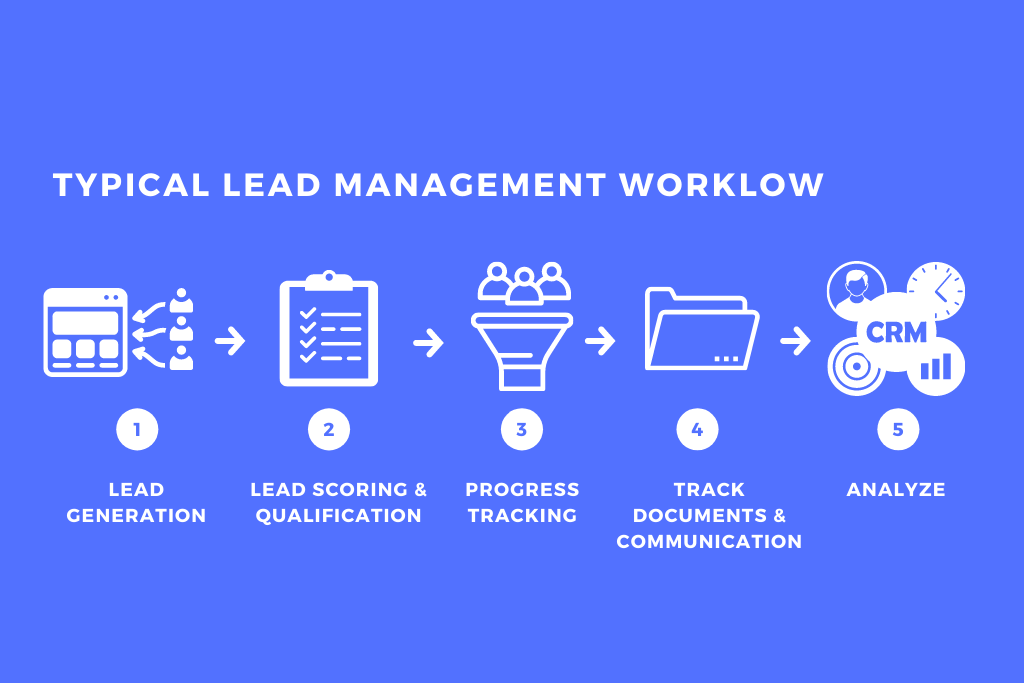
- Lead scoring and qualification
- Email nurturing workflows
- Task creation and follow-ups
- Campaign triggers based on behaviour
Automation reduces manual effort, minimises human error, and ensures no opportunity is missed. It allows marketing teams to focus on strategy and creativity rather than repetitive execution.
CRM and Long-Term Customer Relationships
Marketing does not end at conversion. Retention, loyalty, and advocacy are increasingly important drivers of growth.
A CRM supports long-term relationship building by:
- Tracking post-purchase engagement
- Identifying upsell and cross-sell opportunities
- Supporting personalised retention campaigns
- Enabling consistent communication over time
By maintaining a complete customer history, marketers can nurture relationships that extend far beyond the first sale.
CRM in a Privacy-First, AI-Driven World
In 2026, data privacy and AI are reshaping marketing practices.
CRM systems play a critical role by:
- Managing consent and preferences
- Supporting compliant data usage
- Providing structured, high-quality data for AI-driven insights
AI-powered marketing is only as effective as the data behind it. A CRM ensures that data is clean, governed, and actionable — making it the foundation for intelligent automation and predictive marketing.
What Happens Without a CRM?
Organisations that attempt to scale marketing without a CRM often experience:
- Inconsistent messaging
- Poor customer experience
- Limited visibility into performance
- Misalignment between teams
- Slower growth and higher costs
In competitive markets, these inefficiencies quickly become barriers to success.
Final Thoughts: CRM Is Not Optional in Modern Marketing
A CRM is no longer a “nice to have” or a tool reserved for sales teams. It is a strategic asset that underpins every effective marketing operation.
From personalisation and automation to analytics and alignment, CRM systems enable marketers to work smarter, faster, and with greater impact. They turn data into insight, campaigns into journeys, and customers into long-term relationships.
In 2026 and beyond, the question is not whether your marketing team should use a CRM — but whether you are using it to its full potential.