
For decades, the intranet was positioned as the backbone of internal communication. It promised a single source of truth, centralised information, and structured corporate messaging. For a time, it worked — at least on paper.
By 2026, however, the reality is clear: the traditional intranet is in structural decline.
Despite multiple redesigns, rebrands, and “modern” iterations, intranets continue to suffer from low engagement, poor adoption, and limited impact. At the same time, a new model of internal communication is rapidly emerging — one powered not by portals or pages, but by artificial intelligence.
Internal communication is no longer about where information lives. It is about how, when, and whether employees receive what they need. And AI is proving far better suited to this challenge than any intranet ever was.
Why Intranets Are Losing Relevance
The decline of intranets is not due to poor execution alone. It is rooted in a fundamental mismatch between how intranets are designed and how people actually work in 2026.
1. Intranets Still Rely on Pull Behaviour
Intranets assume employees will:
- Remember the platform exists
- Proactively visit it
- Search for the right information
- Interpret and apply what they find
This “pull” model is increasingly unrealistic.
Modern employees operate in fast, fragmented workflows. They expect information to find them, not the other way around. If a message is not surfaced at the right moment, in the right context, it is effectively invisible.
AI-driven systems reverse this logic entirely.
2. Information Overload Has Made Portals Ineffective
Even the most modern intranets struggle with the same issue: too much content, too little relevance.
As organisations grow, intranets become dumping grounds for:
- Policies
- Announcements
- Updates
- Initiatives
- Campaigns
The result is a bloated platform where critical information competes with low-priority noise. Employees disengage not because the content is poor, but because it is not filtered.
AI does not store information in static hierarchies. It prioritises, summarises, and delivers only what matters — dynamically and individually.
3. Personalisation Has Plateaued
Most intranets claim to offer personalisation, but in practice this usually means:
- Role-based pages
- Department-specific news
- Manual segmentation
This approach does not scale and quickly becomes outdated.
AI-driven internal comms systems go further by learning from:
- Behaviour
- Interaction patterns
- Communication preferences
- Context and timing
In 2026, relevance is algorithmic, not administrative.
The Rise of AI-Led Internal Communication
As intranets decline, AI is quietly becoming the primary interface between employees and organisational knowledge.
This shift mirrors what has already happened externally in marketing, customer support, and sales. Internally, the same forces are now at play.
From Portals to Interfaces
The future of internal communication is not a destination employees visit. It is an intelligent layer embedded into their daily tools.
AI-driven internal comms increasingly operate through:
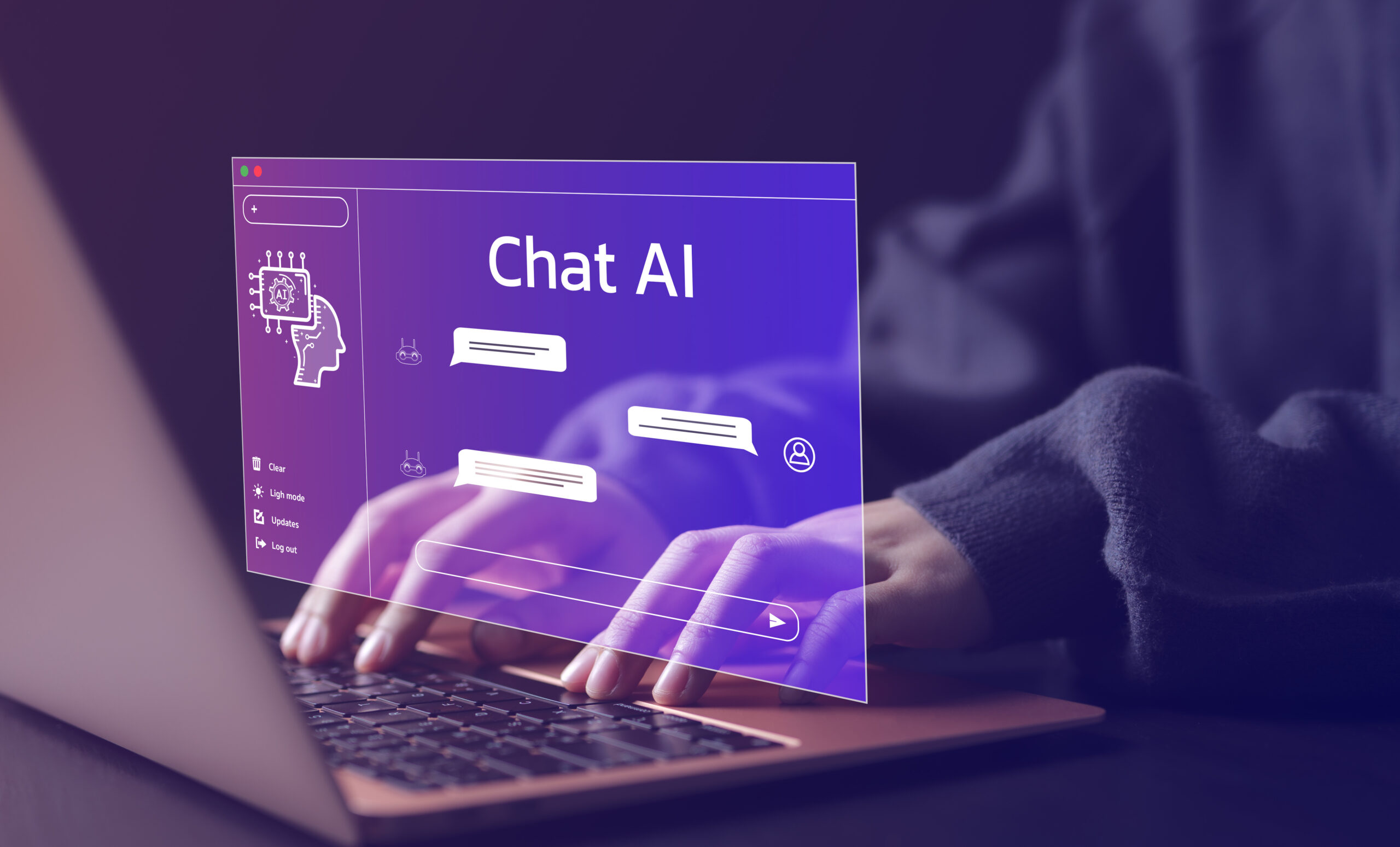
- Conversational assistants
- Smart notifications
- Context-aware prompts
- Automated summaries and alerts
Instead of asking, “Where is that information?”, employees ask the system — and get an immediate, relevant answer.
What AI Does Better Than Intranets

AI is not replacing intranets because it is newer. It is replacing them because it is fundamentally better aligned with modern work.
1. AI Pushes Information Proactively
AI systems anticipate needs rather than waiting for requests.
Examples include:
- Surfacing policy updates when they become relevant
- Summarising leadership messages based on role and location
- Highlighting critical changes before meetings or deadlines
This eliminates the assumption that employees must constantly check a platform to stay informed.
2. AI Reduces Noise Instead of Adding to It
Where intranets grow noisier over time, AI becomes more efficient.
Through continuous learning, AI can:
- Suppress irrelevant updates
- Consolidate multiple messages into summaries
- Escalate only what requires attention
Internal communication shifts from broadcasting to curation.
3. AI Enables Two-Way, Real-Time Communication
Intranets are largely static. AI is conversational.
Employees can:
- Ask questions in natural language
- Get instant, accurate responses
- Receive follow-up prompts or clarifications
This transforms internal comms from a publishing function into a real-time service.
The Cultural Shift: From “Read This” to “We’ve Got You”
One of the most profound changes AI introduces is cultural.
Traditional intranet communication often feels like:
“Here is the information. Please read it.”
AI-led communication feels more like:
“You don’t need to worry — we’ll tell you when it matters.”
This shift reduces cognitive load, increases trust, and aligns communication with how people actually experience work.
In 2026, employee experience is not improved by more content. It is improved by less effort.
Why Organisations Are Letting Intranets Fade
Many organisations are not formally “switching off” intranets. Instead, they are letting them slowly fade into the background.
Common patterns include:
- Leadership messages moving to AI summaries
- Policy queries handled by AI assistants
- Updates delivered through intelligent alerts
- Intranet becoming a passive archive
The intranet does not disappear overnight — it becomes irrelevant by default.
Governance, Accuracy, and Trust in AI Comms
A common concern is whether AI can be trusted with internal communication. In 2026, this concern has shifted from if to how.
Modern AI systems:
- Operate within controlled, audited environments
- Use verified internal sources only
- Log interactions for compliance
- Apply permission-based access
In many cases, AI-driven communication is more governed and auditable than informal chat-based updates or unmanaged intranet content.
What Internal Communication Looks Like by the End of 2026
By the end of 2026, the most advanced organisations will no longer define internal communication by platforms.
Instead, it will be defined by outcomes:
- Employees know what they need to know
- Information arrives at the right moment
- Messages are understood, not just delivered
- Communication supports work instead of interrupting it
AI will be the connective tissue that makes this possible.
Intranets, where they still exist, will function as background infrastructure, not primary communication channels.
Final Thoughts: The End of the Intranet Era Is Not a Failure
The decline of the intranet is not a failure of technology. It is a signal that work has changed.
Employees no longer think in terms of portals, pages, or platforms. They think in terms of tasks, decisions, and moments. AI aligns with this reality in a way intranets never truly could.
In 2026, internal communication is no longer about publishing information. It is about intelligent delivery, relevance, and timing.
The intranet was built for an era of offices and desktops.
AI is built for an era of complexity, speed, and distributed work.
And that is why AI is not enhancing internal communication — it is replacing the model entirely.